Differences Between Asphalt Courts for Tennis vs. Pickleball
People searching for tennis court and pickleball court asphalt installation are often looking to have durable, properly designed courts built or resurfaced, and local contractors can assist with expert installation tailored to each sport's specific needs.
Understanding the differences between asphalt courts for tennis and pickleball is essential for property owners considering a new or upgraded outdoor court. While both sports can share a similar surface material, subtle variations in design, thickness, and surface texture can significantly impact playability, safety, and longevity. Property owners in the area who are exploring options for installing or renovating courts may find that consulting with local contractors experienced in asphalt court installation can help ensure the space meets the specific demands of each sport, providing a better experience for players and a more durable surface over time.
Keep reading to discover how these differences influence the construction process and the overall performance of each type of court. Whether planning a new tennis court or a pickleball court, understanding the unique requirements can help property owners make informed decisions. Local service providers specializing in asphalt court installation are equipped to handle these distinctions, ensuring that the finished surface aligns with the intended use and provides years of reliable use. Exploring these practical considerations can lead to a more satisfying and functional outdoor sports area.
Get Quotes for Tennis Court And Pickleball Court Asphalt Installation
- Tennis court asphalt installation - individuals planning to build or upgrade a tennis court may seek local contractors experienced in creating durable, high-performance surfaces suitable for competitive play. Pickleball court asphalt installation - those interested in developing a pickleball court often look for service providers who can customize asphalt surfaces to accommodate the sport’s specific size and play style. Differences in asphalt courts for tennis vs. pickleball - clients exploring this topic may need guidance from local pros on how surface smoothness, color, and line markings vary between the two sports. Choosing asphalt for outdoor courts - property owners wanting weather-resistant, long-lasting courts consider local contractors who understand the unique requirements of each sport’s asphalt surface. Custom asphalt court projects - individuals planning specialized court features might contact service providers skilled in adapting asphalt installations to meet the specific needs of tennis or pickleball play.
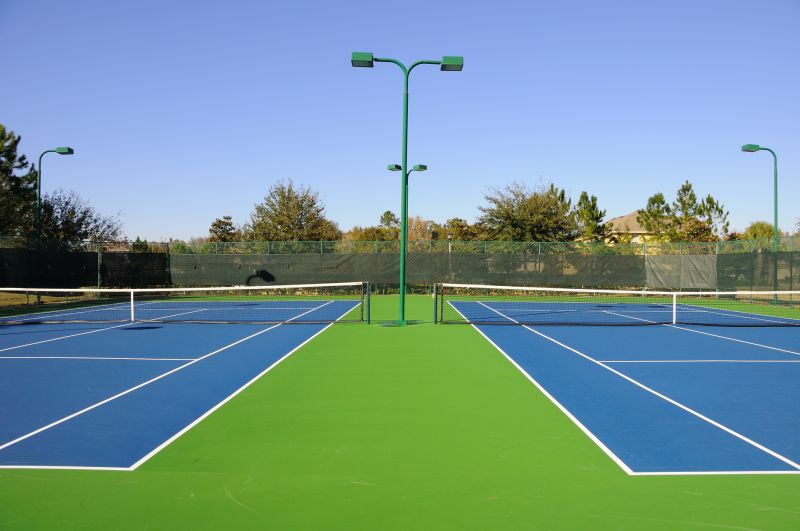
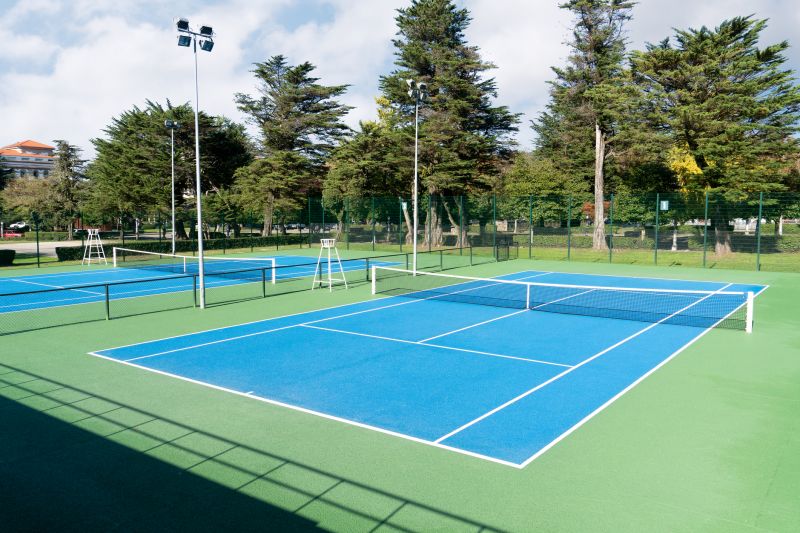
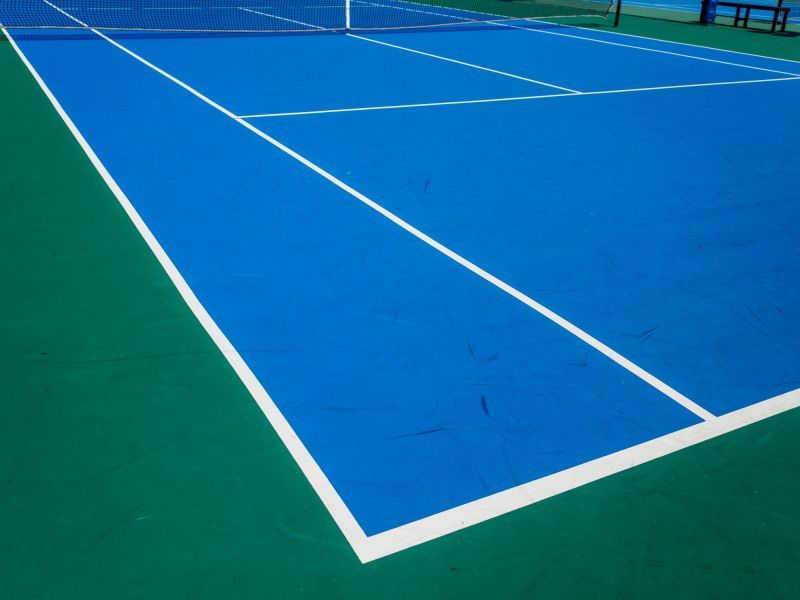
When searching for information about asphalt courts for tennis versus pickleball, homeowners often want to understand how these two types of courts differ in design, construction, and playability. Many inquiries stem from plans to install a new court or upgrade an existing one, with questions centered around how the surface choices impact the game experience. Typically, property owners are trying to determine which court type best suits their recreational needs, available space, and long-term maintenance considerations. They may also be exploring the specific asphalt installation requirements that help ensure a durable, safe, and high-quality playing surface tailored to each sport.
The differences between asphalt courts for tennis and pickleball are primarily related to court dimensions, surface texture, and playing surface characteristics. Tennis courts generally require larger, regulation-sized asphalt surfaces with a smooth, even finish to accommodate the full court dimensions and consistent ball bounce. Pickleball courts, being smaller, often involve more detailed surface considerations to optimize traction and reduce the risk of slipping during quick movements. Additionally, the asphalt surface must be properly prepared and finished to provide the right level of firmness and grip, which can vary depending on the sport's specific demands. Local contractors who specialize in asphalt installation can help property owners understand these nuances and select the right surface features for each sport.
Property types that typically feature asphalt courts include residential yards, community parks, sports clubs, and recreational facilities. Residential properties often have enough space for a single multi-purpose court or dedicated tennis or pickleball courts, with asphalt being a popular choice due to its affordability and durability. Community centers and sports complexes may have multiple courts, each tailored to the specific sport, with asphalt surfaces designed to meet official size and safety standards. These properties benefit from working with local service providers who understand the unique requirements of each court type, ensuring the asphalt installation aligns with the intended use and longevity expectations.
Understanding the differences between asphalt courts for tennis versus pickleball helps property owners plan their projects more effectively. Whether installing a new court or refurbishing an existing one, knowing how surface specifications impact playability and maintenance is crucial. Local asphalt installation contractors can provide guidance on the best surface finishes, thickness, and sealing techniques to create a safe, durable, and sport-appropriate court. By connecting with experienced service providers, homeowners can ensure their investment results in a high-quality playing surface that enhances the enjoyment and longevity of their outdoor recreation area.
Basketball court installation - Professionals experienced in asphalt surface preparation and finishing can also handle basketball court projects that require similar planning and surfacing techniques.
Driveway paving services - Asphalt driveway paving involves comparable site assessment and surface layering skills useful for creating durable sports courts like tennis and pickleball courts.
Playground surfacing projects - Installing playground surfaces often requires expertise in asphalt and safety surfacing, aligning with the skills needed for tennis and pickleball court construction.
Outdoor sports court construction - Building multi-sport courts with asphalt surfaces involves similar planning, grading, and finishing processes as those used for tennis and pickleball courts.
Pool deck resurfacing - Resurfacing pool decks with asphalt involves surface preparation and finishing techniques that are also applicable to sports court installations.
Walking path and trail paving - Creating durable walking paths and trails requires asphalt installation skills that are directly relevant to constructing courts for tennis and pickleball.
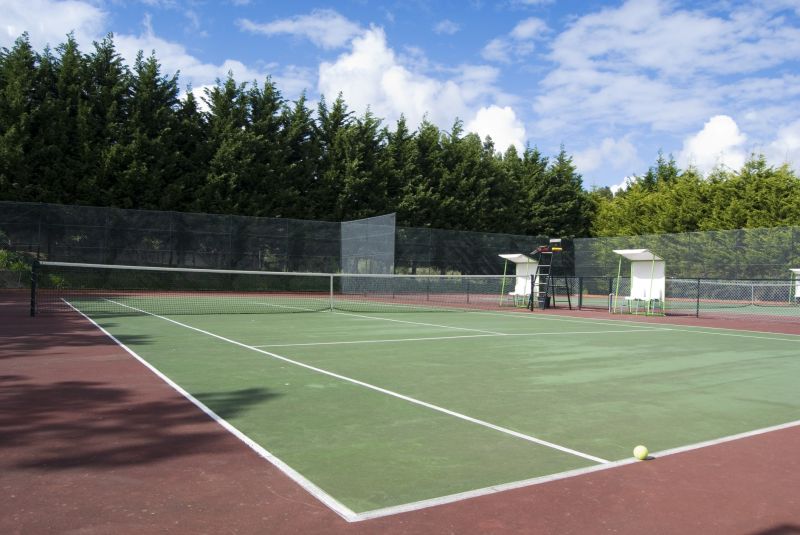
When evaluating contractors for asphalt installation of tennis and pickleball courts, experience with similar projects is a key factor. Different court types have unique surface requirements, thicknesses, and finishing techniques that impact durability and playability. Service providers with a proven track record in constructing or resurfacing either tennis or pickleball courts can demonstrate familiarity with these specifics, ensuring the project aligns with the intended sport. Asking for reputable references or examples of completed courts can help gauge a contractor’s expertise and reliability in handling the nuances of each court type.
Clear written expectations are essential to ensure that both the homeowner and the contractor are aligned on project scope, materials, and finishes. Since asphalt courts for tennis and pickleball have different surface textures and specifications, detailed communication helps prevent misunderstandings. A reputable service provider should be able to provide a comprehensive scope of work, including surface preparation, asphalt layering, and finishing details, tailored to the specific needs of each sport. This clarity supports a smoother installation process and helps ensure the finished court meets the performance standards desired.
Good communication and transparency throughout the project are vital for a successful asphalt court installation. Homeowners should look for service providers who are responsive, provide detailed explanations of the work involved, and are willing to address questions about differences in court surface requirements. Establishing open lines of communication helps manage expectations, allows for adjustments if necessary, and fosters confidence in the contractor’s ability to deliver a quality court suited to either tennis or pickleball. Prioritizing these qualities can lead to a more satisfactory outcome and a court that performs well for years to come.
Get a Quote for Tennis Court And Pickleball Court Asphalt Installation
Property owners often search for differences between asphalt courts for tennis vs. pickleball when they are planning practical projects around their homes and businesses. Local pros provide Tennis Court and Pickleball Court Asphalt Installation services for everyday jobs and straightforward project options.
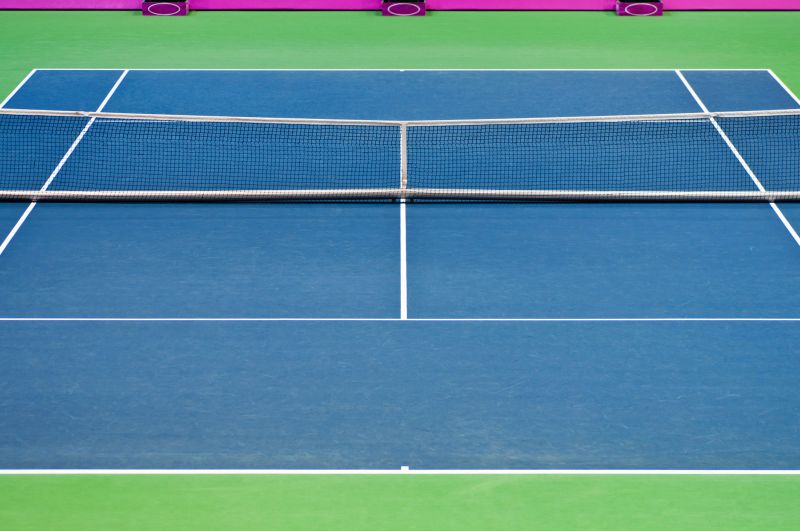
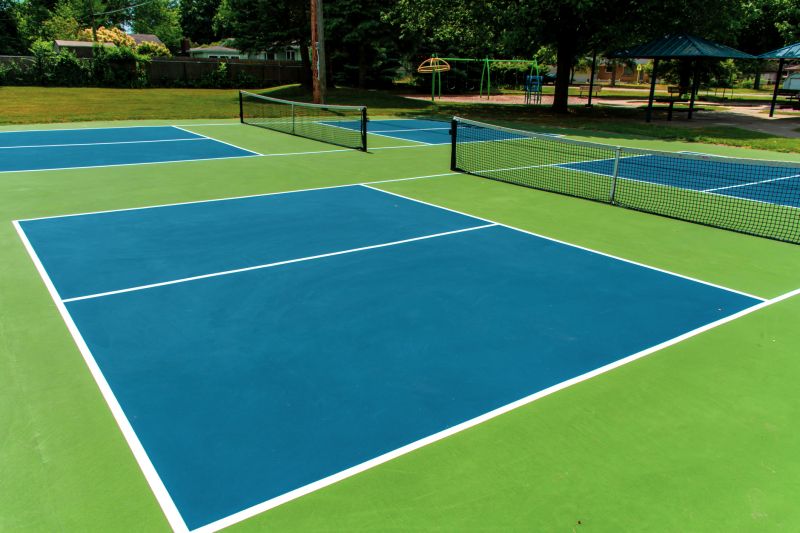
When considering asphalt courts for tennis versus pickleball, property owners often notice differences in surface durability and playability that can influence their decision. Tennis courts typically require a smoother, more resilient asphalt surface to support high-impact play and consistent bounce, making it important for local contractors to focus on proper base preparation and finishing techniques. Pickleball courts, on the other hand, benefit from a surface that offers a slightly softer feel and good traction, which can help prevent slips during quick movements. Local service providers can help property owners understand these nuances and select asphalt mixes and installation methods suited to each sport’s specific needs.
Additionally, the size and layout of the courts can impact the asphalt installation process. Tennis courts are larger and often demand a more extensive foundation to ensure stability over time, while pickleball courts are smaller and may allow for quicker, more straightforward installation. Property owners exploring asphalt court options might want to consult local contractors experienced in sports surface installation to ensure the chosen asphalt type and thickness align with the intended use. These experts can help tailor the project to match the specific requirements of tennis or pickleball, ensuring a durable and functional surface for years to come.
Get a Quote for Tennis Court And Pickleball Court Asphalt Installation
What are the main differences between asphalt courts for tennis and pickleball? The primary differences involve court dimensions, surface markings, and playing surface preferences. Local contractors can tailor asphalt installations to meet the specific size and line requirements for each sport, ensuring optimal play conditions.
How does the asphalt installation process vary for tennis versus pickleball courts? While the basic asphalt paving process is similar, the surface finishing, line painting, and court dimensions differ. Service providers can customize these aspects during installation to suit the sport’s specific standards.
Are there differences in surface durability or texture needed for tennis and pickleball courts? Yes, tennis courts typically require a slightly smoother surface for consistent ball bounce, whereas pickleball courts may benefit from a textured surface for better grip. Local contractors can adjust the asphalt finish accordingly during installation.
Can the same asphalt court be used for both tennis and pickleball? While possible with proper markings and adjustments, dedicated courts often provide better playability. Service providers can install asphalt courts with sport-specific dimensions and markings to accommodate each activity effectively.
What factors influence the choice of asphalt for tennis versus pickleball courts? Factors include court size, surface texture, and intended use frequency. Local pros can recommend suitable asphalt installation options based on the specific requirements of each sport and user preferences.
Surface durability considerations - Understanding how asphalt for tennis and pickleball courts withstand different levels of play can help property owners choose the right surface with local contractors.
Court size and layout planning - Knowing the specific dimensions and markings for each sport ensures proper installation by local service providers.
Playing surface texture differences - Considering the grip and ball bounce characteristics of asphalt courts can guide decisions on surface finishing with local pros.
Installation techniques for sport-specific features - Incorporating sport-specific lines and net setups requires guidance from local contractors experienced in both tennis and pickleball court asphalt projects.
If you are thinking about differences between asphalt courts for tennis vs. pickleball for a property, this guide is meant to help you understand this topic, the typical project types, and how different options might fit your plans.
When you are ready, you can use the quote form on this page to share a few details about your project. From there, local pros can review the basics and follow up with options that match what you have in mind.
Get a Quote for Tennis Court And Pickleball Court Asphalt Installation